



Mineral vs. Chemical Sunscreen: What’s the Difference — and Which One Is Right for You?
As summer approaches and more time is spent outside, one skincare question comes up again and again: What’s the difference between mineral and chemical sunscreen?
The answer is more nuanced than social media headlines sometimes make it seem. Both types of sunscreen are effective at protecting skin from UV damage when formulated and used correctly. But they work differently, feel different on the skin, and may suit different lifestyles and skin types.
At Oīana Living, we believe sunscreen should fit seamlessly into an active, outdoor life — whether that means long beach days, hiking, surfing, tennis, or simply everyday movement under the sun. So here’s a science-backed breakdown of the differences between mineral and chemical sunscreen, and why many people with sensitive or acne-prone skin gravitate toward mineral formulas.
How Chemical Sunscreen Works
Chemical sunscreens use UV filters such as avobenzone, octinoxate, octisalate, or oxybenzone to absorb UV radiation and convert it into heat, which is then released from the skin.
These formulas are often lightweight, invisible on the skin, and easy to layer under makeup. Many modern chemical sunscreens — especially newer European and Asian formulations — offer excellent UVA protection and elegant textures.
Because chemical filters absorb into the upper layers of the skin, they can occasionally cause irritation for people with sensitive skin & eyes, rosacea, eczema, or acne-prone skin. That doesn’t mean chemical sunscreen is “bad” — only that skin compatibility varies from person to person.
How Mineral Sunscreen Works
Mineral sunscreens use zinc oxide and/or titanium dioxide as their active ingredients.
Traditionally, mineral sunscreen was described as sitting on top of the skin and physically reflecting UV rays like a mirror. More recent research shows the science is actually more sophisticated than that. Mineral filters both scatter and absorb UV radiation, particularly zinc oxide, which is highly effective across both UVA and UVB ranges.
In other words: mineral sunscreen is not simply a “physical shield” — it also functions through UV absorption, just differently from chemical filters.
One reason dermatologists often recommend mineral sunscreen for sensitive skin is because zinc oxide is generally very well tolerated. It’s non-comedogenic, soothing, and less likely to sting the eyes or trigger irritation.
What About Reef Safety?
This is where the conversation often becomes oversimplified online.
Certain chemical UV filters — particularly oxybenzone and octinoxate — have raised environmental concerns related to coral reef ecosystems, leading places like Hawaii and parts of the Caribbean to restrict or ban sunscreens containing those ingredients.
At the same time, newer research suggests the environmental impact of sunscreen is complex, and mineral sunscreens are not entirely without ecological considerations either. Nano-sized mineral particles, manufacturing processes, and broader pollution factors are all being studied more closely.
The reality is that no sunscreen exists completely separate from environmental impact. What matters most is continuing to improve formulations, packaging, and responsible usage while still protecting public health from UV damage and skin cancer.
For consumers trying to make thoughtful choices, many gravitate toward non-nano mineral sunscreens because they are currently among the most widely accepted options in environmentally sensitive regions.
Which Sunscreen Is Better for Active Lifestyles?
The best sunscreen is ultimately the one you’ll use consistently and reapply properly.
For outdoor activities, water resistance and comfort matter just as much as SPF number alone. A sunscreen that pills, stings, feels greasy, or leaves skin irritated often ends up sitting unused in a beach bag.
Modern mineral sunscreen formulas have evolved significantly over the past decade. Today’s best formulations are lighter, more blendable, and more wearable for everyday use than the thick white casts many people remember from the past.
For people who spend long hours outdoors, many prefer mineral sunscreens because:
- They tend to be gentler on sensitive or acne-prone skin
- Zinc oxide offers broad-spectrum UVA and UVB protection
- They’re often less irritating around the eyes during sweating or water activities
- Many formulas now offer up to 80 minutes water resistance while still feeling lightweight
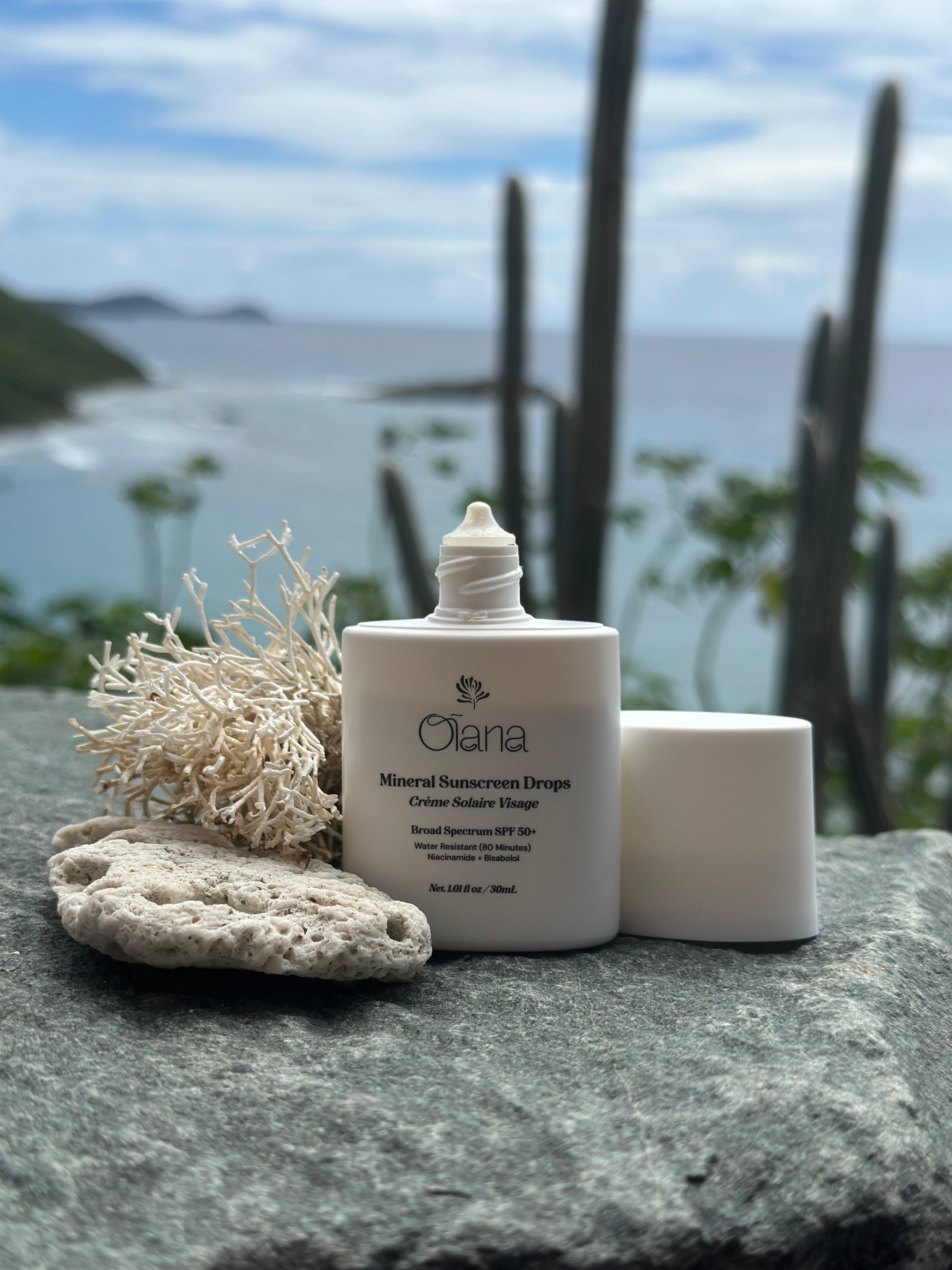
At Oīana Living, we chose a non-nano zinc oxide formula designed for everyday outdoor wear — lightweight, water resistant for up to 80 minutes, and developed with globally informed sunscreen standards in mind, including European approaches to UVA protection.
Our mineral filters are manufactured using advanced dispersion technology designed to improve stability and cosmetic wearability on the skin, helping create a formula that feels comfortable enough for everyday use — whether you’re spending the day at the beach, on the tennis court, or simply outside more often during summer.
Final Thoughts
The conversation around sunscreen doesn’t need to be fear-based. Both chemical and mineral sunscreens play an important role in sun protection, and both continue to evolve through ongoing research and formulation advances.
What matters most is daily sun protection, especially during active outdoor living.
For those with sensitive skin, acne-prone skin, or a preference for mineral-based formulas, today’s generation of zinc oxide sunscreens offers a much more elegant experience than many people expect — combining effective protection with textures designed for real life in the sun.
Because sunscreen should be something you actually want to wear.
Read more

The sun emits ultraviolet (UV) radiation, which can damage skin cells and increase the risk of skin cancer — the most common cancer globally. UV damage doesn’t only come from beach days or vacation...
Sun-soaked beaches, scenic hikes, and the simple luxury of life outdoors. Greetings from St. John. A place where mornings begin with ocean views, afternoons are spent exploring hidden beaches, and ...